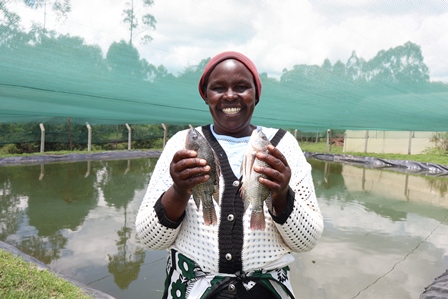
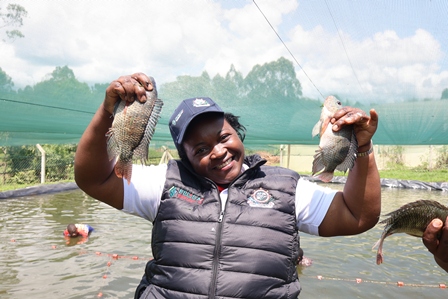
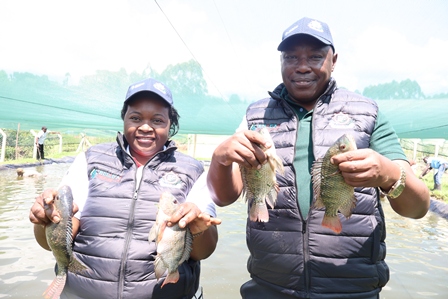
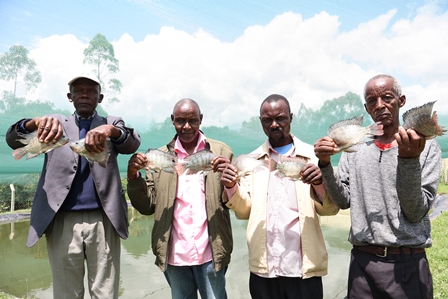
The Kipsigis community, historically defined by its deep-rooted traditions in livestock herding, is boldly breaking new ground. Through the Financing Locally Led Climate Action (FLLoCA) program, residents are diversifying their livelihoods by embracing aquaculture, signalling a move toward a more resilient and food-secure future.
The shift isn’t just about trying something new; it’s about survival. As erratic weather patterns and extended droughts diminish traditional grazing lands and vegetable yields, the Rongena Elders Self-Help Group, in Rongena ward Sotik Subcounty, has emerged as a beacon of innovation.
As one of 24 fish pond projects implemented in the first cycle of FLLoCA investments, the group is utilizing optimized land-use strategies to turn climate-challenged plots into productive aquatic hubs. By employing organic farming methods and focusing on local markets, the initiative ensures that high-quality protein reaches the community while maintaining a minimal ecological footprint.
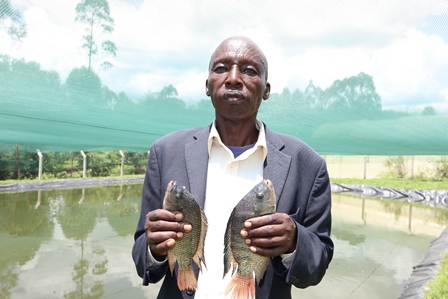
The project is built on a foundation of self-reliance. According to group Secretary Charles Koros and Chairman Joel Rop, the goal is to move beyond external aid. The proceeds from the inaugural harvest are being “ploughed back” into the project to purchase more fingerlings and feed.
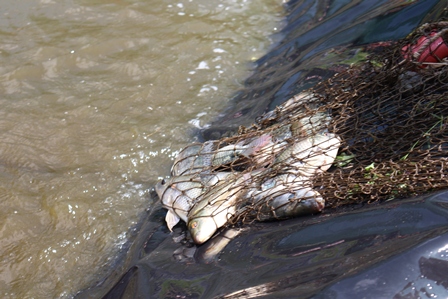
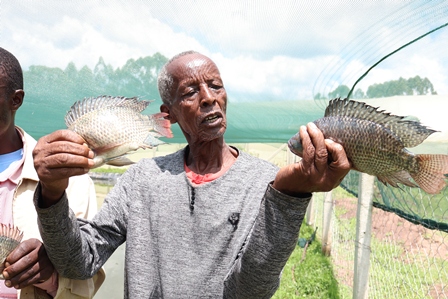
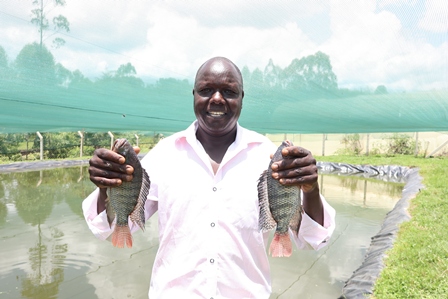
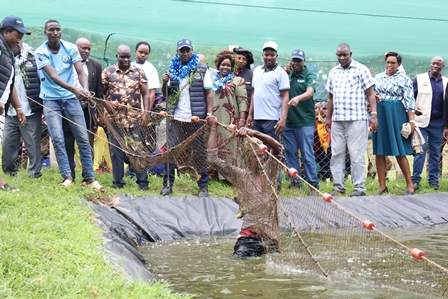
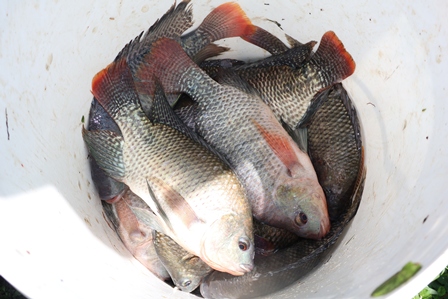
“We, the Rongena Village Elders Self-Help Group, have harvested our first batch of fish. We plan to reinvest the sales proceeds to expand the project by purchasing more fingerlings and feed, and constructing additional ponds. We urge everyone to embrace fish farming as a sustainable alternative source of livelihood,” Rop pointed out.
The self-funding model is paired with a “pass-it-on” strategy, where the current pond serves as a learning centre. Members are trained in professional pond management by the county’s fisheries unit, empowering them to establish private ponds on their own farms.
“I urge residents living near the fishpond catchment area to apply the fish farming training we received by setting up ponds on their own farms. This will provide our community with an alternative source of nutrition. We also call upon FLLoCA to bring more projects to this region, as we have already seen the first fruits of their support,” Koros said.
Treasurer Lina Talam noted that the introduction of fish farming provides a vital safety net. “Due to erratic climate patterns and extended droughts, vegetable production in our region has declined, impacting the nutritional health of women and children most significantly. The introduction of fish farming now provides us with a reliable alternative food source,” Mrs. Talam noted.
Member Julius Rotich echoes this sentiment, urging the wider community to embrace fish farming as a sustainable livelihood. Through collective action and FLLoCA’s strategic investment, the Rongena Elders are proving that while traditions are cherished, adaptation is the key to thriving in a changing world.